No doubt, a lot of us spend time each day in meetings, or situations that require some sort of notetaking. “How are you going to take notes?” was the very first question I asked my now-college freshman when we dropped her off at school this fall. I mean, I went to school in the era of good old-fashioned paper and pen – and maybe some highlighters and graphic organizers thrown in for good measure. But times have changed, Together Friends, and there are so many great ways to take notes these days. I’ve been observing people in my travels, talking to Dr. Together (an avid OneNote devotee), and polling our Together Insiders WhatsApp group, and one clear theme emerged.
Get Clear On Why You Are Taking Notes to Begin With. . . Like, are you taking notes to learn something? To document a situation? To brainstorm with a group? To gather research for a dissertation? And. . . get clear on how your brain works best. For example, I’m wired to think through typing (I am an author, after all), and my fingers move more quickly on my keyboard. I’m also too impatient to read transcripts of my phone calls, so I like to take notes directly into my own graphic organizers.
Here are a few methods we have seen that hold a lot of promise – depending on your situation.
- Notability / Goodnotes or other annotation options for learning
When I was in the Rio Grande Valley this fall, I saw lots of Together Leader participants with our Guided Notes and slides downloaded to tablets and using Apple pencils to take written notes on top of the Together materials – and also insert photos!
Irma shares a few examples of how she uses Notability to annotate on her tablet:
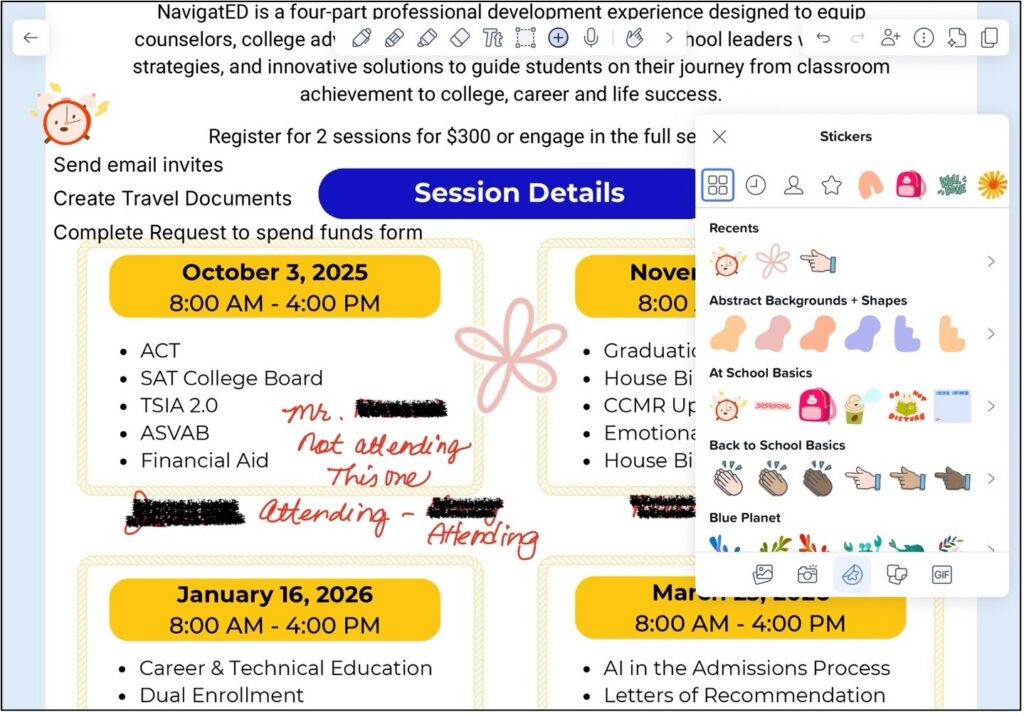
Irma notes (no pun intended, hahahahah!), “There is a small subscription fee for Notability, but I promise it is worth every penny. You can be more effective in your life by staying organized both personally and at work.” I can personally see this being more helpful than taking notes directly on a handout (unless you are scanning them all into some kind of hub!). This is similar to our friend Liz with her Remarkable notebook!
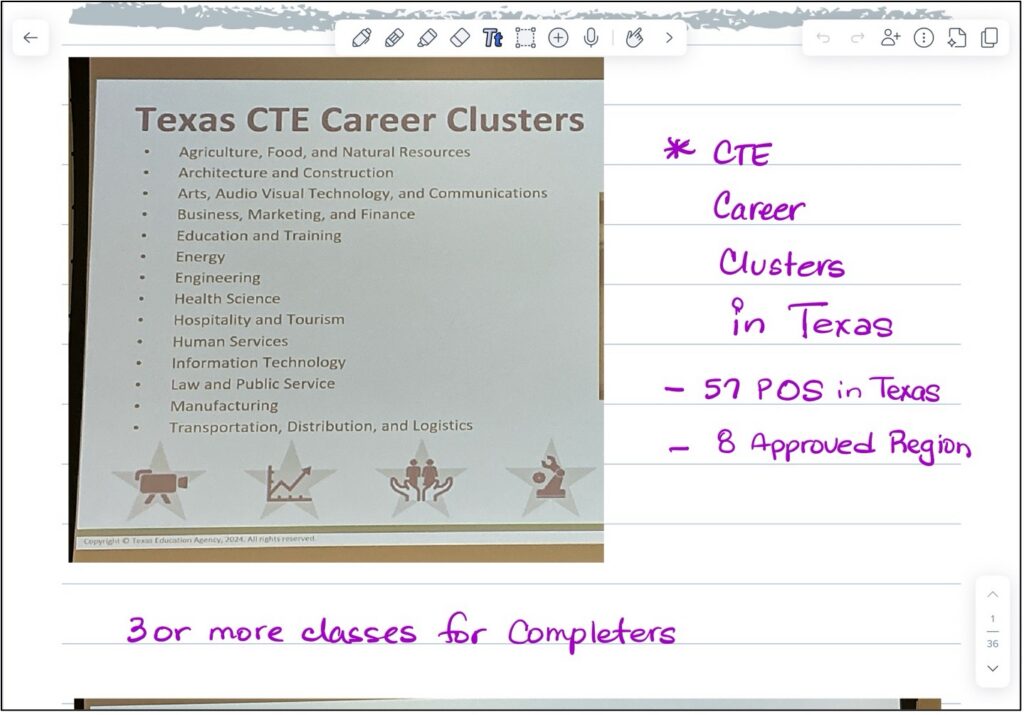
Here is another example of Irma taking notes for learning:
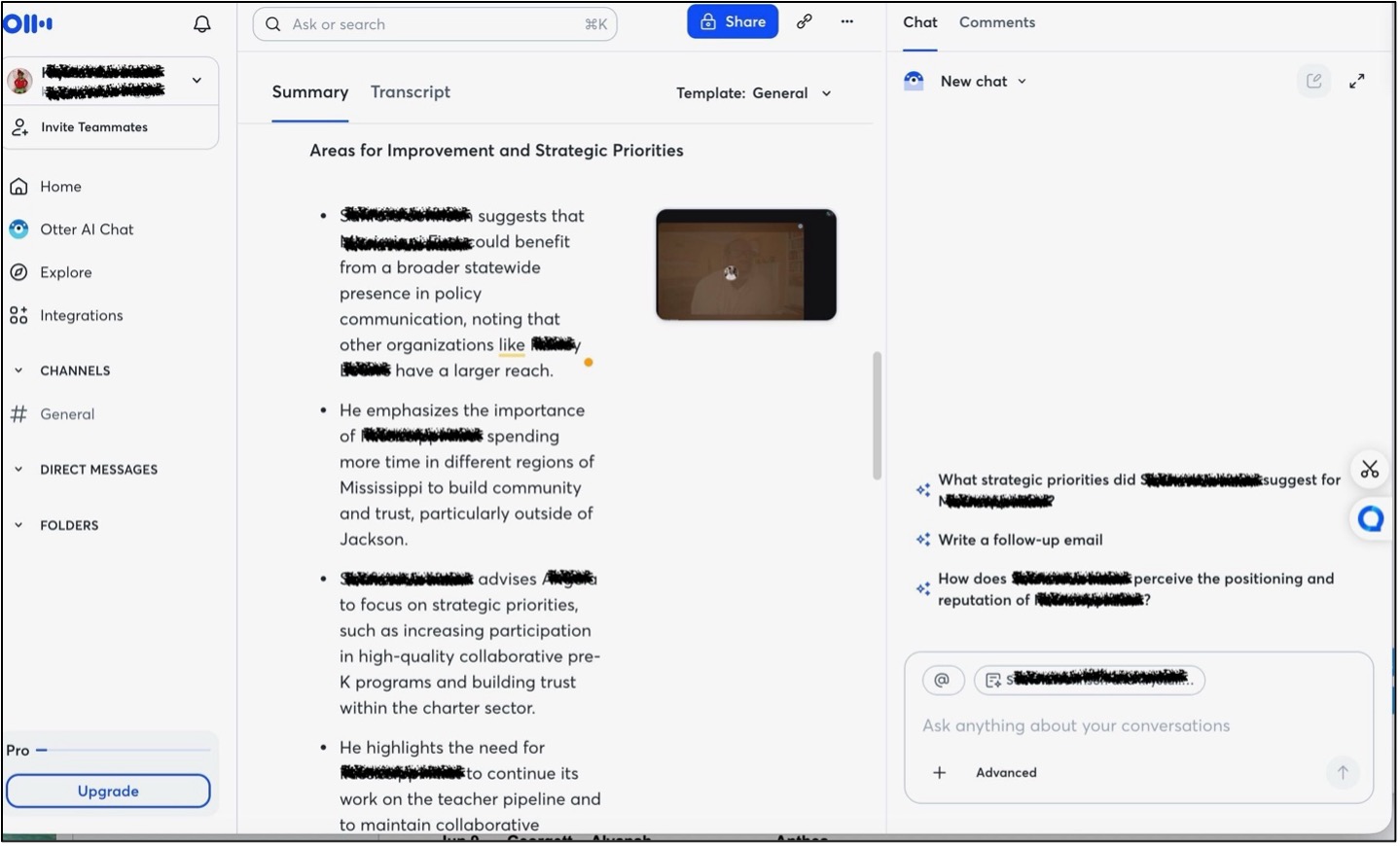
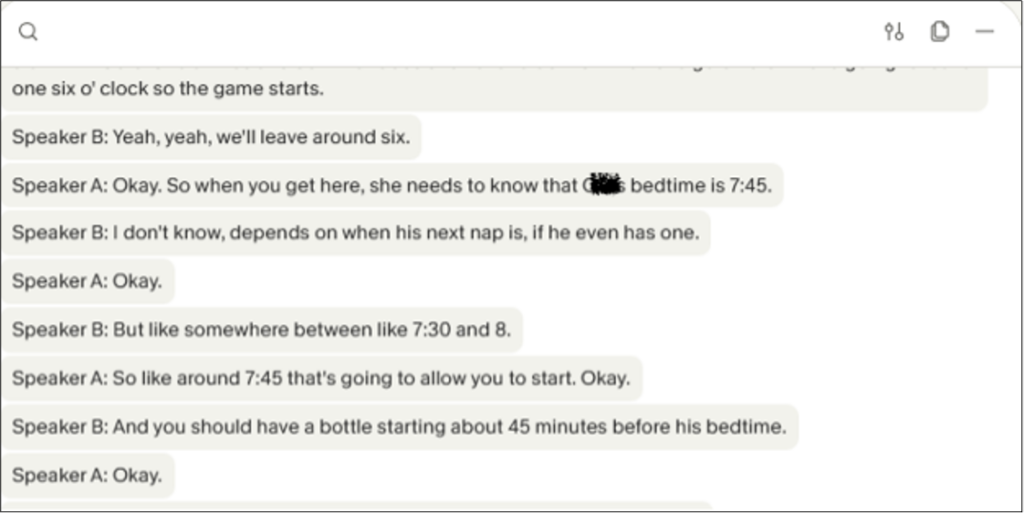
- Otter.ai / and other transcription options
In the world of AI and transcription, you can avoid taking notes altogether sometimes. Long time Together Friend Krystal describes using these tools for dissertation interviews, “I use Otter.ai for qualitative research interviews because it provided transcriptions which was massively helpful. I could see it being useful for interviews for strategic planning.” Otter could be useful if you need full documentation. On a personal level, we have been trying to use it for my mother-in-law’s doctor’s appointments when we cannot attend, and then we can access all the information – getting permission before, of course!
- Granola AI
Different than the transcription option above – which comes with often rough next step summaries – you could use Granola as an audio recorder that can then help you translate to action items. Graham, another long-time Together friend, says, “I find it so helpful to be able to chat with Granola after my meetings to generate communication. It is great for funder meetings where I then must convert everything I said into a follow-up pitch!” Granola can also be helpful for more sensitive meetings where you don’t want your AI notetaker around – also getting permission, of course.
- Old Fashioned Paper and Pencil – or an approximation thereof. . .
There is zero shame in recording items on old-fashioned pen and paper, or a digital version. It often helps our brains with processing information. This could be using a notebook, or a digital version of a notebook, such as Evernote, OneNote, or Google docs. The benefit here is that you can create a graphic organizer to plug your information directly into. For example, when I prepare for trainings with clients, we have a pre-set template that I use to make sure I hit every question needed to prepare.
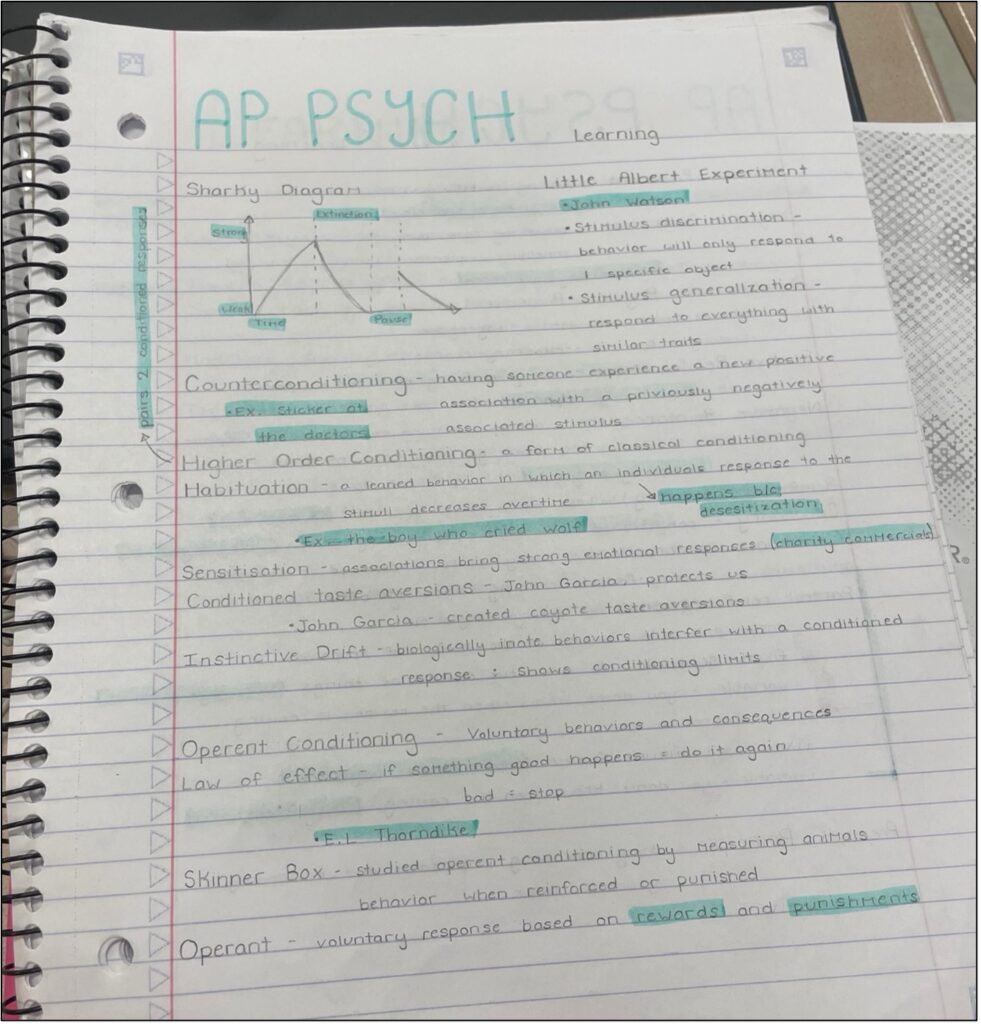
My Semi-Together Teen’s handwritten notes are so neat!
And, of course, there are many other options out there these days for notetaking and then organizing and sorting your notes in a searchable database for the future. This could be in how you label your notes, how you distribute and how you store. Sometimes, you may just want to search, and sometimes you may want all notes in chronological order.
The questions for all of us are:
- What is the purpose of taking the notes?
- Do I need to share them with others? If so, how?
- Will I need to refer to them later?
Talk to me: What’s your preferred method of notetaking and why?