Together Friends,
Ohhhhhhh, I have been eagerly awaiting sharing this Together Tour with our community. I’m a huge fan of all things early childhood (I was a Child Study major as an undergrad!), so I have been enjoying following Kim’s journey in Louisiana. . . Let’s get into it.
Together Tour: Kim Frusciante
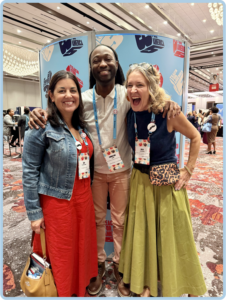
This month, we’re visiting Kim Frusciante, founder and Executive Director of Early Partners. This school in New Orleans opened in 2021 – in the middle of the pandemic – with just two classrooms.
As you’ll read, Kim has adopted many AI tools to support her work. What struck me most during our conversation wasn’t just the tools she uses. It was the way she thinks about systems and seasons. She asks herself questions like, “How do I build something once so our team can use it over and over?” and “How do I acknowledge the season we are in – and carve out time to create systems?”
Artificial intelligence is a hot topic – in all the ways good and bad – and we want to address its usefulness in our community, while remaining keenly aware of all the downsides. As you’ll see, Kim is using AI not to replace thinking – but to preserve it. And her focus on institutional memory – even when in start-up mode – is a lesson for all of us!
Let’s take a look.
You founded your school during one of the most uncertain times imaginable. How has that experience shaped the way you think about Togetherness?
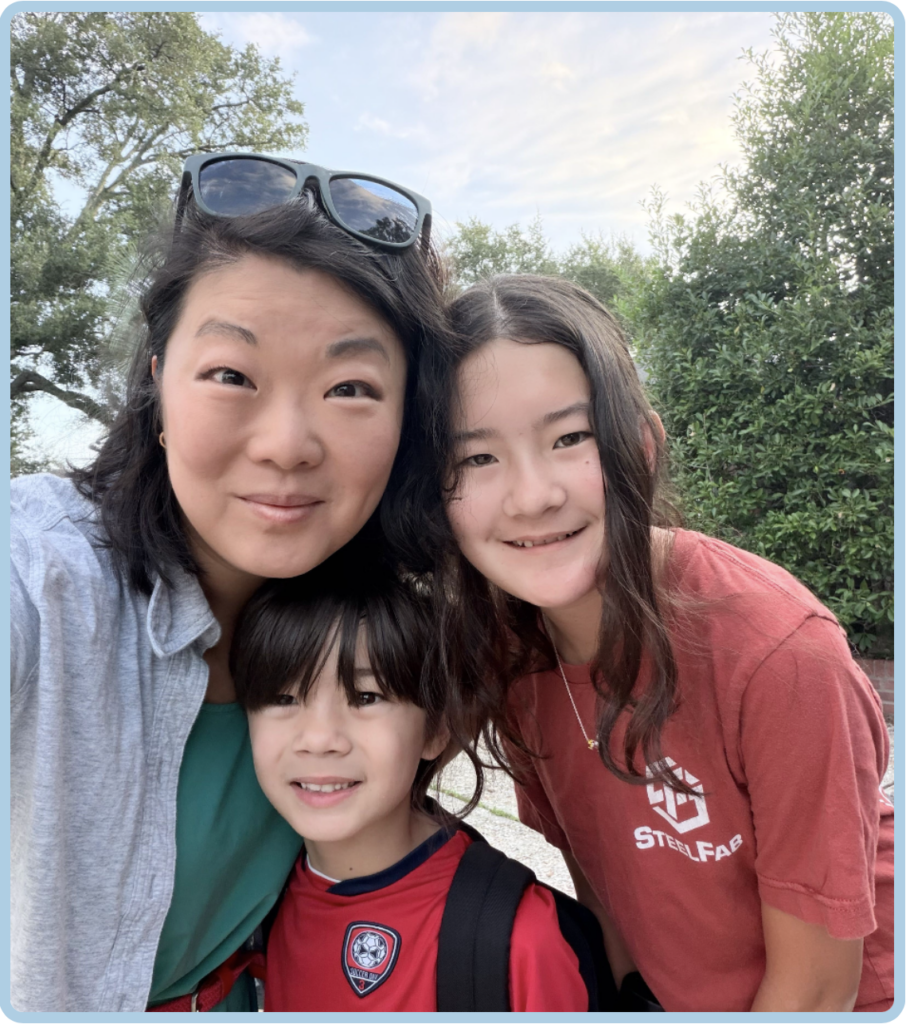
We opened in 2021 with two classrooms. Everyone was wearing masks, and honestly, we were building the plane while flying it. Now we’re in three buildings with nine classrooms, and we’ve grown every single year. One thing I’m especially proud of is that we’ve retained 100% of our staff.
Looking back, I realize that founding a school just isn’t a balanced season of life. I don’t think I fully appreciated that at the time. Now I can say, “This is a gauntlet. Breathe. Keep moving. It won’t always feel this way.” That mindset has become really important to me.
One of your biggest Together rules is incredibly simple: everything goes on one calendar. Why?
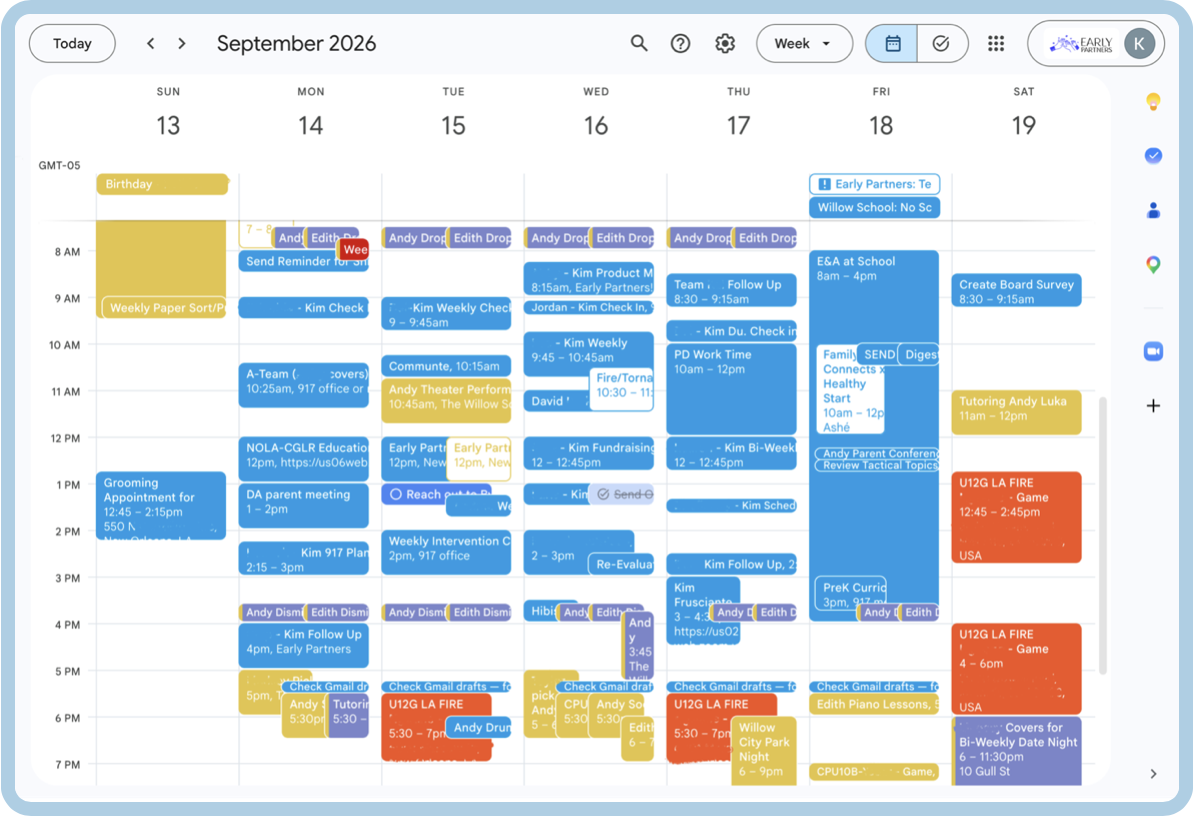
Honestly, it’s one of the simplest things I do – and probably one of the most impactful. Everything lives on one calendar. For years, I separated work and personal calendars, but eventually I realized I was constantly trying to reconcile two versions of my life. Now everything is in one place.
I’m also the CEO of our family. If there’s a doctor’s appointment, soccer game, or birthday party, I send my husband a calendar invitation. It sounds funny, but otherwise one of us inevitably forgets. If it’s on the calendar, we’re both working from the same source of truth.
Once your calendar tells you where to be, how do you organize everything else?
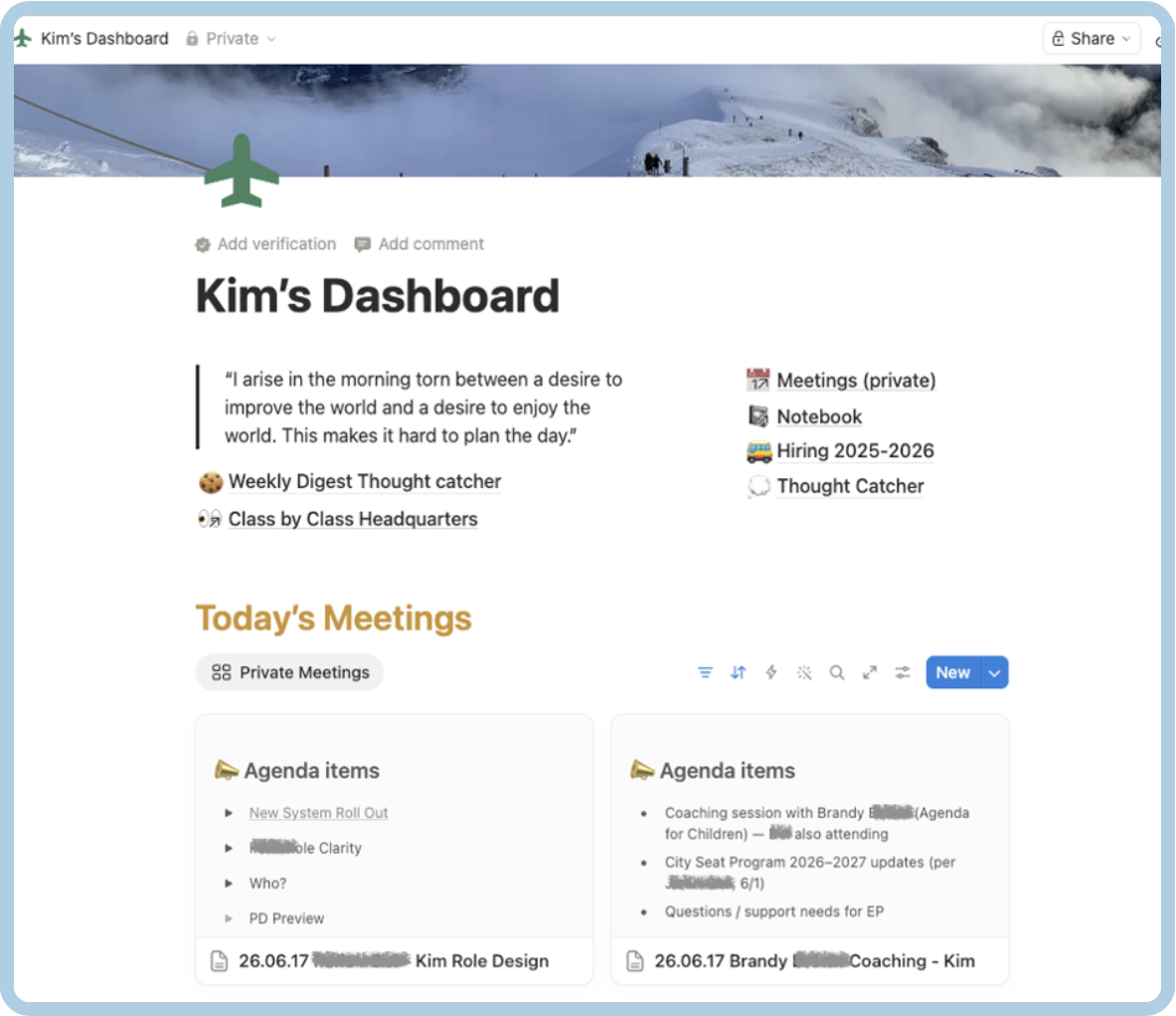
My calendar tells me when. Notion tells me what. Everything eventually lands on my dashboard. I’ve tried lots of different task systems over the years, but what finally clicked was creating one place where I could orient myself each day.
During the school year, I’m constantly responding to questions, decisions, and little fires that pop up. My dashboard helps me zoom back out and remember what actually matters. (Editor’s Note: I love the focus on prioritization. At its heart, Togetherness is about choosing the right tasks to focus on at the right time, sort of like my Prioritization Post-It.)
You mentioned that your systems change dramatically during the summer. Me too! I have to make a whole seasonal plan. What does “summer Togetherness” look like for you?
The school year is all about execution. Summer is about building. During the year, we’re constantly solving puzzles in real time. Teachers need support. Families have questions. Operational things happen every single day.
Summer is when we finally have enough brain space to ask bigger questions. What systems do we wish existed? What can we build now that will make the school year easier?
This year, I’m especially proud because we started thinking about summer much earlier – back in March. Instead of waiting until June to build professional development, we captured what classrooms looked like while students were still at their strongest. That gave us much richer examples and much better materials.
I loved something you said: “During the summer, we build the playbook.” Tell us more about that.
During the school year, we’re just trying to get things done. In the summer, I can finally slow down enough to ask: “How should we do this every time?”
Instead of making one professional development session, I build the process for making professional development. Instead of solving one problem, I document the solution. Eventually you end up with a playbook. That’s what lets organizations grow.
You’ve embraced AI in a way that feels very practical and very Together. How are you using it?
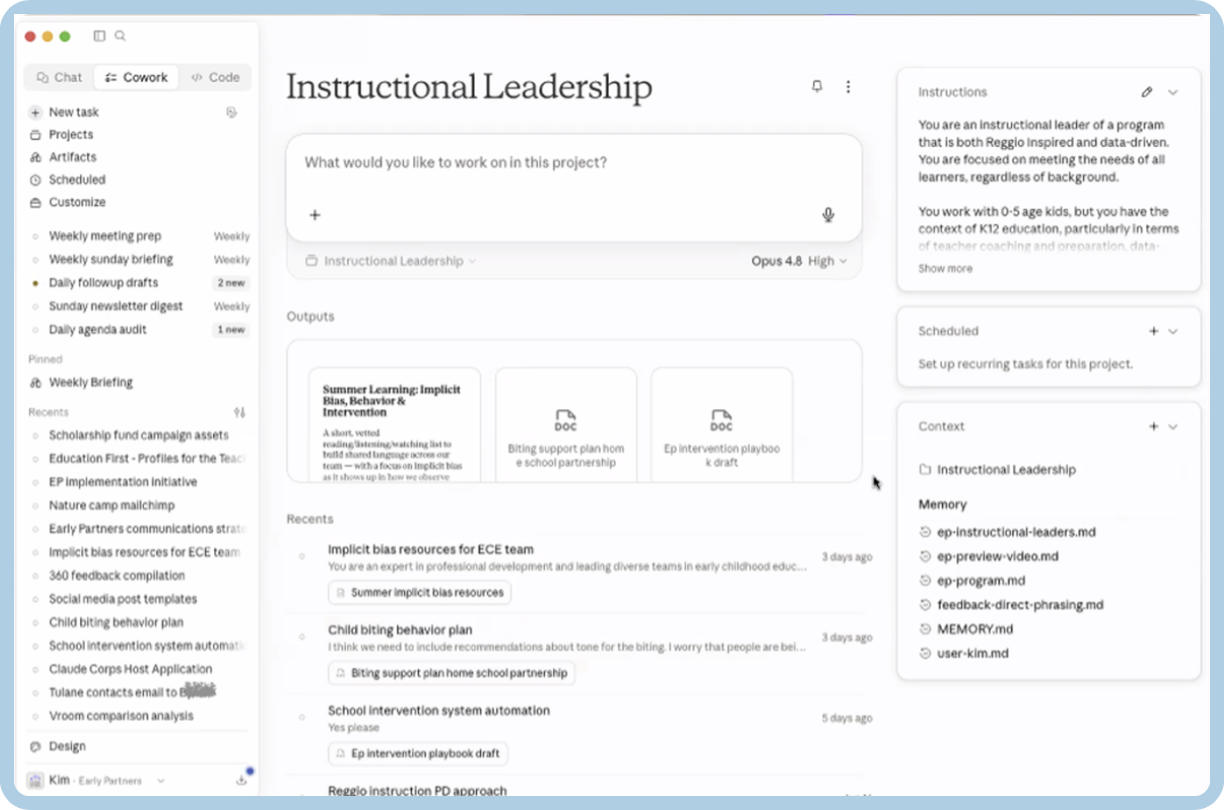
For me, AI starts with documentation. Everything needs an anchor document. If I’m working on instructional leadership, I upload all of our philosophy, previous work, examples, feedback, and strategy into a Claude Project.
Then Claude becomes a thought partner. Instead of asking it to invent something, I’m asking it to work within the way we already think. It helps me draft coaching plans, professional development outlines, support documents – all grounded in our existing approach. I still edit everything. But it’s dramatically faster.
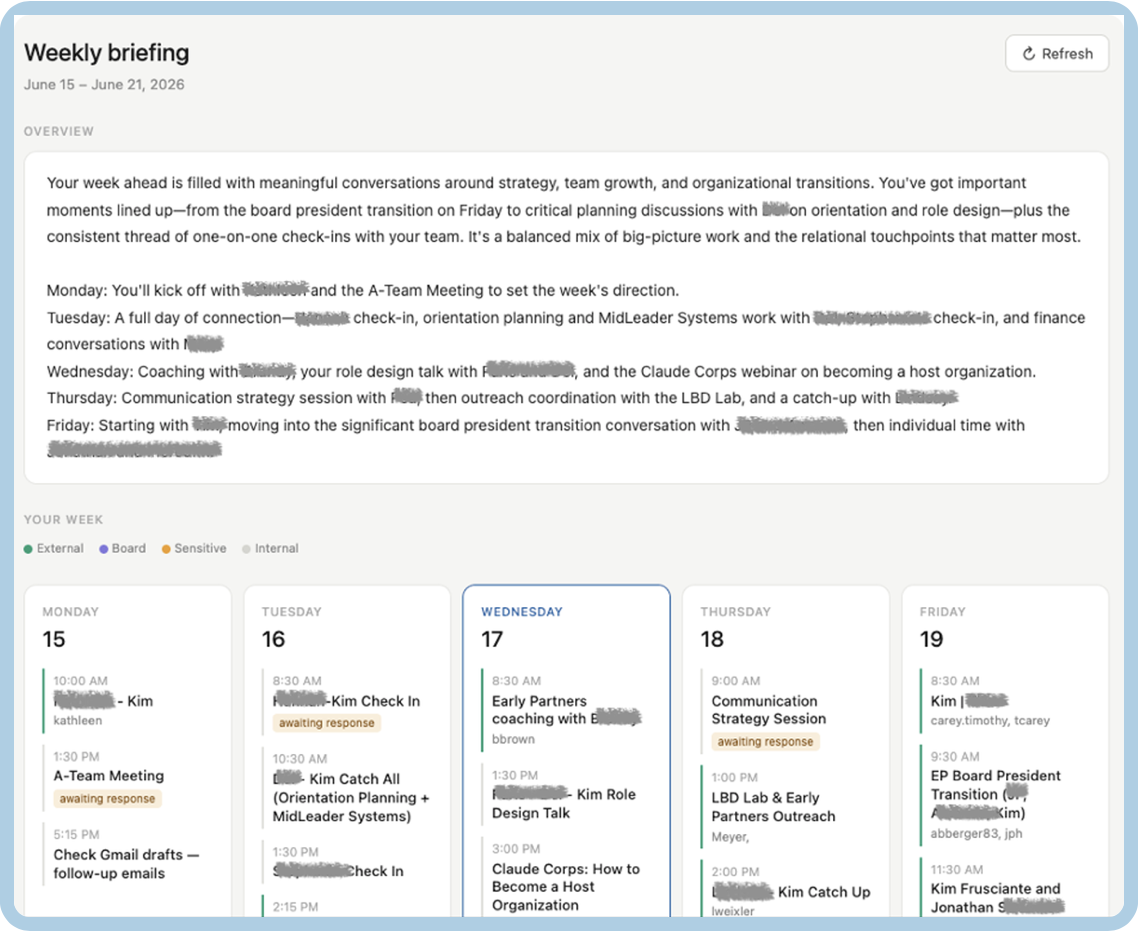
You also shared your AI-generated weekly briefing. What role does that play?
I love beginning the week by seeing the whole picture. The briefing synthesizes my calendar, priorities, and meetings into one narrative. Instead of just seeing appointments, I can see themes. It reminds me where I need to show up as a leader – not just where I need to physically be.
What’s one Togetherness lesson you’re still learning?
That not everything needs to happen right now. Early on, every summer felt like we had to rebuild the entire organization. Now I understand that organizations grow over years.
If we can build one really strong system this summer – and document it well – we’ll benefit from that work for a long time. Doing more good doesn’t always mean doing more things. Sometimes it means building better systems.
Kim, thank you for giving us such a thoughtful look inside your systems. I have loved watching you build Early Partners.
I especially appreciated how intentionally you distinguish between RUNNING an organization and BUILDING an organization – and how you’re using technology alongside human judgement to build out institutional knowledge and systems.

- Shake off the To-Do Blahs. A small slip in our routine can really shake up our Togetherness, and getting back on track is tough. Here are some tips for handling a case of the To-Do Blahs, so you can get back to being your best Together self!
- Is system-hopping the spice of life? Sometimes I like to switch up my Togetherness Tools. I love my tried-and-true Together System, but every once in awhile I need to switch it up to see what else is out there.
- Plan ahead for busy times. For many of us, busy times are coming up soon (end of year tasks, anyone?). Use quieter times in your calendar to Forecast Forward and anticipate the needs of more demanding seasons.